Trusted by 170+ Homeowners
Septic Tank Backup Water Removal in University Park, TX
- Over 171 5-Star Reviews
- Free Estimates and Quotes
- 100% Satisfaction Guaranteed
- Child, Family & Pet Safe Steps
- 24-Hour Emergency Service
- Fully Licensed & Insured

Septic Tank Backup Water Removal in University Park, TX: Don’t Let This Happen to You
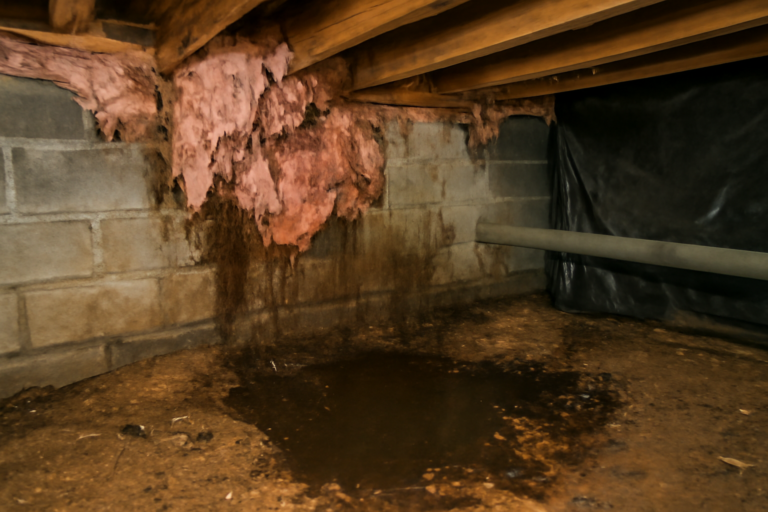
You’re walking into your home after a heavy rain, and you notice water seeping from the floor near the septic tank. The smell is overwhelming, and you can hear the sound of running water behind the walls. It’s a Septic Tank Backup Water Removal situation, and it’s not going to fix itself. Our team has seen this before, and we know the importance of acting fast to prevent further damage.
With over 165 five-star reviews, we’ve earned the trust of local homeowners who’ve dealt with this exact issue. They know we’ll arrive quickly, assess the situation, and start the restoration process to get your home safe and dry.
- Fast response time: within 60 minutes of your call
- Expert assessment: identifying the source and extent of the damage
- Advanced equipment: using moisture readers and drying protocols to restore your home
How Our Team Handles Septic Tank Backup Water Removal
Our process starts with a thorough assessment of the damage. We use specialized equipment to identify the source and extent of the backup, and then develop a customized plan to restore your home to its original condition. This includes containing the affected area, extracting standing water, and drying the space to prevent mold growth.
Step 1: Containment
We set up a containment system to prevent further water damage and keep the affected area safe for our technicians. This involves sealing off the area with plastic sheets and tape, and installing a negative air pressure system to remove moisture from the air. Our team will then extract the standing water using powerful pumps and wet vacuums.
Step 2: Extraction
We use specialized equipment to extract the water from your home, including wet vacuums, pumps, and truck-mounted extraction units. Our team will carefully remove the water, taking care not to damage any surrounding areas or contents. This step is crucial in preventing further damage and reducing the risk of mold growth.
Step 3: Drying
Once the water is extracted, we’ll begin the drying process using specialized equipment and techniques. This includes setting up drying fans, applying drying agents, and monitoring the moisture levels to ensure your home is completely dry. Our team will also use moisture readers to identify any areas that may need more attention.
Step 4: Cleaning and Disinfecting
After the drying process is complete, our team will thoroughly clean and disinfect the affected area to remove any remaining bacteria, viruses, or other contaminants. This step is essential in preventing the growth of mold and mildew, and ensuring your home is safe for occupancy.
Step 5: Restoration
Once the cleaning and disinfecting process is complete, our team will begin the restoration process. This may include repairing or replacing damaged drywall, flooring, or other structural elements. Our goal is to return your home to its original condition, and we’ll work closely with you to ensure your satisfaction.
Don’t wait any longer to address the issue. Our team is ready to help you restore your home and prevent further damage. Call us now to schedule an assessment and start the restoration process.

Warning Signs You Need Septic Tank Backup Water Removal
Catching these signs early can save you money and prevent bigger problems down the line. Don’t ignore the following warning signs, as they can show a more serious issue with your septic system.
Musty Odors That Won’t Go Away
Strong, unpleasant odors near the septic tank or drainfield can show a backup or clog in the system. Don’t ignore these smells, as they can spread to other areas of your home and cause further damage. Our team can help you identify the source of the odor and develop a plan to address it.
Slow Drains or Backed-Up Toilets
Slow drains or backed-up toilets can be a sign of a clogged or overflowing septic tank. Don’t wait for the issue to escalate, as it can cause significant damage to your home and surrounding areas. Our team can help you clear the clog and prevent further backups.
Water Damage or Leaks
Water damage or leaks near the septic tank or drainfield can show a backup or failure in the system. Don’t ignore these signs, as they can cause significant damage to your home and surrounding areas. Our team can help you identify the source of the leak and develop a plan to address it.
Unusual Sounds or Noises
Unusual sounds or noises near the septic tank or drainfield can show a problem with the system. Don’t ignore these signs, as they can be a sign of a more serious issue. Our team can help you identify the source of the noise and develop a plan to address it.
Standing Water or Puddles
Standing water or puddles near the septic tank or drainfield can show a backup or failure in the system. Don’t ignore these signs, as they can cause significant damage to your home and surrounding areas. Our team can help you identify the source of the water and develop a plan to address it.
Green or Algae Growth
Green or algae growth near the septic tank or drainfield can show a problem with the system. Don’t ignore these signs, as they can be a sign of a more serious issue. Our team can help you identify the source of the growth and develop a plan to address it.
Septic Tank Backup Water Removal vs. DIY: When To Call a Professional
| Situation | DIY? | Call a Pro? | Why |
|---|---|---|---|
| Small leak or backup | Yes | No | You can likely fix the issue yourself with some basic tools and knowledge. |
| Large backup or water damage | No | Yes | A professional team can handle the situation quickly and safely, preventing further damage. |
| Unusual odors or noises | No | Yes | A professional team can identify the source of the issue and develop a plan to address it. |
| Standing water or puddles | No | Yes | A professional team can identify the source of the water and develop a plan to address it. |
| Green or algae growth | No | Yes | A professional team can identify the source of the growth and develop a plan to address it. |
While some minor issues may be DIY-friendly, larger problems or unusual signs need the expertise of a professional team. Don’t risk further damage or safety hazards by trying to fix the issue yourself. Call us now to schedule an assessment and start the restoration process.
Septic Tank Backup Water Removal Cost In University Park, TX
The cost of Septic Tank Backup Water Removal in University Park, TX can vary based on the severity of the issue, the size of the affected area, and local conditions. Our team will provide a free estimate after assessing the situation, and we’ll work with you to develop a plan that fits your budget.
| Service | Typical Price Range | What Affects Cost |
|---|---|---|
| Containment and extraction | $500 – $2,500 | Size of affected area and severity of backup |
| Drying and dehumidification | $1,000 – $5,000 | Size of affected area and duration of drying process |
| Cleaning and disinfecting | $500 – $2,000 | Size of affected area and type of cleaning required |
| Restoration and repairs | $2,000 – $10,000 | Size of affected area and type of repairs required |
Exact pricing will depend on an on-site assessment, and we’ll provide a free estimate after evaluating the situation. Don’t wait any longer to address the issue. Call us now to schedule an assessment and start the restoration process.
Service Areas Near University Park, TX
Our team serves the following nearby communities:
University Park, TX, Dallas, TX, Highland Park, TX, Lakewood, TX, Oak Cliff, TX, Pleasant Grove, TX, and many more.
Common Questions About Septic Tank Backup Water Removal
What causes septic tank backup water removal?
Septic tank backup water removal is typically caused by a clogged or overflowing septic tank. This can be due to a variety of factors, including poor maintenance, tree roots, or excessive water usage. Our team can help you identify the source of the issue and develop a plan to address it.
How long does septic tank backup water removal take?
The length of time required for septic tank backup water removal can vary depending on the severity of the issue and the size of the affected area. Our team will work closely with you to develop a plan that meets your needs and timeline.
Is septic tank backup water removal covered by insurance?
Some insurance policies may cover septic tank backup water removal, but it depends on the specific policy and circumstances. Our team will work with you to navigate the insurance process and ensure you receive the compensation you deserve.
Can I prevent septic tank backup water removal?
Yes, regular maintenance and inspections can help prevent septic tank backup water removal. Our team can help you develop a maintenance plan that meets your needs and budget.
How do I know if I need septic tank backup water removal?
Signs of septic tank backup water removal include unusual odors, slow drains, backed-up toilets, and standing water or puddles. If you notice any of these signs, don’t hesitate to call our team for help.
Check Our Other Relevant Services

Robert Martinez is a licensed Damage Restoration Expert with over 20 years of hands-on experience in disaster recovery and structural mitigation. As a seasoned industry authority, Robert has spent two decades mastering the technical complexities of environmental safety, providing property owners with the reliable expertise and steady leadership required to navigate high-stress property losses with absolute confidence.
𝗖𝗲𝗿𝘁𝗶𝗳𝗶𝗰𝗮𝘁𝗶𝗼𝗻𝘀: Robert holds elite IICRC credentials, including Water Damage Restoration (WRT), Applied Structural Drying (ASD), Mold Remediation (AMRT), Fire and Smoke Restoration (FSRT), and Odor Control (OCT).
𝗙𝗮𝘃𝗼𝗿𝗶𝘁𝗲 𝗣𝗮𝘀𝘁𝗶𝗺𝗲: An avid outdoorsman, Robert enjoys coastal fishing and restoring vintage motorcycles, hobbies that reflect the patience and mechanical precision he brings to every restoration project.
𝗕𝗲𝘀𝘁 𝗣𝗮𝗿𝘁 𝗼𝗳 𝘁𝗵𝗲 𝗷𝗼𝗯: He finds the most fulfillment in being the “calm during the storm,” helping families transition from the shock of property damage to the relief of a fully restored, healthy home.