Floodwater Removal in Plano, TX
Trusted by 170+ Homeowners
- Over 171 5-Star Reviews
- Free Estimates and Quotes
- 100% Satisfaction Guaranteed
- Child, Family & Pet Safe Steps
- 24-Hour Emergency Service
- Fully Licensed & Insured

Floodwater Removal in Plano, TX: Protecting Your Home from the Spring Thaw
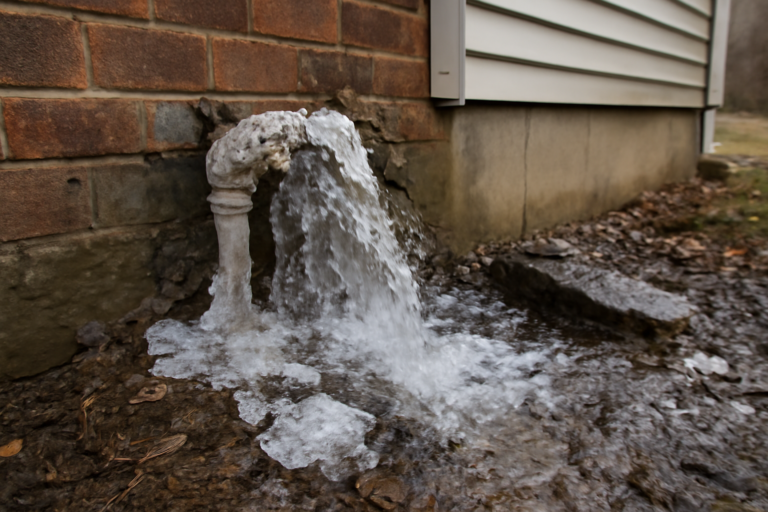
Every year, the spring thaw brings a significant amount of rain to the area, causing floodwater to accumulate in low-lying areas. This can lead to water damage in your home, causing costly repairs and potential health hazards. As a homeowner in Plano, TX, it’s essential to be aware of the risks and take proactive steps to prevent floodwater damage. Our team has seen firsthand the devastating effects of floodwater on homes, and we’re here to help you prevent it from happening to you.
With over 165 five-star reviews, you can trust our team to provide top-notch service for your floodwater removal needs. Our crew is IICRC certified and dedicated to restoring your home to its original condition. We’ll work tirelessly to ensure that your property is safe and dry, and that you’re back to normal as soon as possible.
- We offer fast and effective floodwater removal services, ensuring that your home is dry within 60 minutes.
- Our team uses advanced equipment and techniques to remove standing water and prevent further damage.
- We provide free estimates and work with most insurance companies to make the process as seamless as possible.
How Our Floodwater Removal Process Works
With floodwater removal, it’s essential to have a thorough and well-planned process in place. Our team follows a step-by-step approach to ensure that your home is restored to its original condition. Here’s an overview of our process:
Step 1: Assessment and Inspection
Our team will arrive at your property and conduct a thorough assessment of the damage. We’ll identify the source of the floodwater and find out the extent of the damage. This step is crucial in determining the best course of action and ensuring that all necessary equipment is on hand.
Step 2: Water Extraction
Using advanced equipment, our team will extract the standing water from your home. This is typically done using a combination of pumps and wet/dry vacuums. We’ll work quickly to remove as much water as possible, preventing further damage and reducing the risk of mold growth.
Step 3: Drying and Dehumidification
Once the water has been extracted, our team will use specialized equipment to dry and dehumidify your home. This involves setting up industrial-grade dehumidifiers and fans to speed up the drying process. We’ll monitor the humidity levels and adjust our equipment as needed to ensure that your home is completely dry.
Step 4: Cleaning and Sanitizing
With the water and moisture removed, our team will focus on cleaning and sanitizing your home. This includes scrubbing and disinfecting all surfaces, as well as removing any remaining debris or sediment.
Step 5: Final Inspection and Report
Once the cleaning and sanitizing process is complete, our team will conduct a final inspection to ensure that your home is safe and dry. We’ll provide you with a detailed report outlining the work we’ve completed and any recommendations for future maintenance or repairs.
Don’t wait until it’s too late, call us today to schedule your floodwater removal service and get back to normal as soon as possible. Our team is here to help you navigate this difficult time and restore your home to its original condition.

Warning Signs You Need Floodwater Removal
Ignoring the warning signs of floodwater damage can lead to costly repairs and potential health hazards. Here are some common warning signs to look out for:
Musty Odors That Won’t Go Away
Strong, musty odors can be a sign of mold growth, which can be caused by standing water. If you notice a persistent, unpleasant smell in your home, it’s essential to investigate the source and take action.
Warped or Buckled Flooring
Warped or buckled flooring can be a sign of water damage. If you notice any changes in the appearance or texture of your flooring, it’s essential to investigate the cause and take action.
Peeling Paint or Wallpaper
Peeling paint or wallpaper can be a sign of water damage. If you notice any changes in the appearance or texture of your walls, it’s essential to investigate the cause and take action.
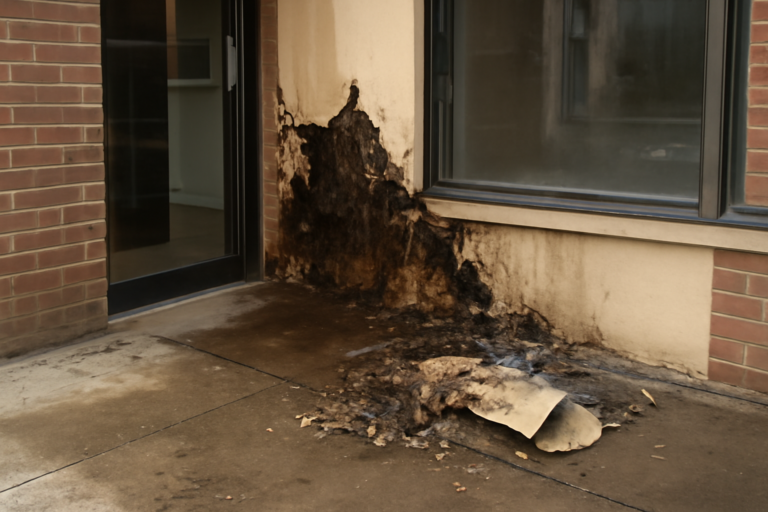
Unusual Stains or Discoloration
Unusual stains or discoloration can be a sign of water damage. If you notice any changes in the appearance or texture of your walls or flooring, it’s essential to investigate the cause and take action.
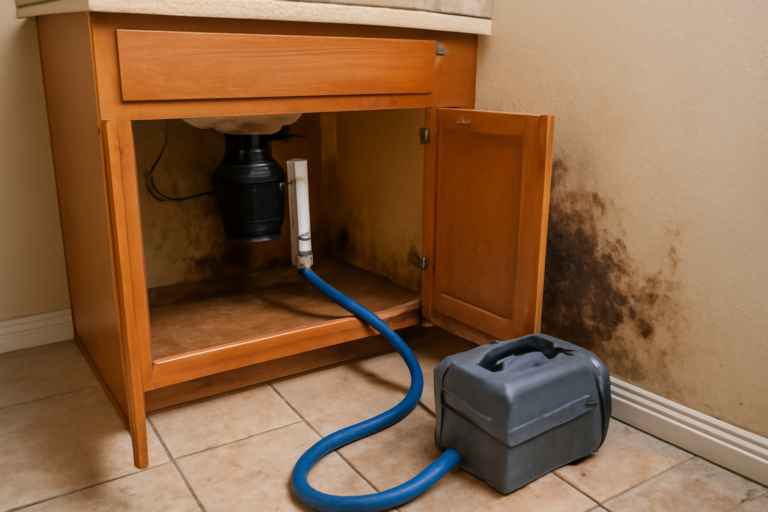
Visible Signs of Mold or Mildew
Visible signs of mold or mildew can be a sign of water damage. If you notice any growths or discoloration on your walls or ceilings, it’s essential to investigate the cause and take action.
Floodwater Removal vs. DIY: When To Call a Professional
| Situation | DIY? | Call a Pro? | Why |
|---|---|---|---|
| Standing water in your basement or crawlspace | No | Yes | Standing water can cause serious damage and health hazards if not addressed quickly. |
| Small water leak in a bathroom or kitchen | Yes | No | Small water leaks can usually be handled with a DIY approach, but it’s essential to act quickly to prevent further damage. |
| Large water damage from a burst pipe or flood | No | Yes | Large water damage needs specialized equipment and expertise to safely and effectively remove the water and prevent further damage. |
| Mold growth in a small area | Yes | No | Mold growth in a small area can usually be handled with a DIY approach, but it’s essential to act quickly to prevent further growth. |
| Water damage in a large area or multiple rooms | No | Yes | Water damage in a large area or multiple rooms needs specialized equipment and expertise to safely and effectively remove the water and prevent further damage. |
While some water damage situations may seem minor, it’s essential to remember that water can cause serious damage and health hazards if not addressed quickly. If you’re unsure about how to handle a water damage situation, it’s always best to err on the side of caution and call a professional.
Floodwater Removal Cost In Plano, TX
The cost of floodwater removal in Plano, TX can vary depending on the severity and size of the affected area. Here are some estimated costs for different aspects of the service:
| Service | Typical Price Range | What Affects Cost |
|---|---|---|
| Water extraction | $500 – $2,500 | The amount of water and the size of the affected area |
| Drying and dehumidification | $1,000 – $5,000 | The size of the affected area and the amount of equipment needed |
| Cleaning and sanitizing | $500 – $2,000 | The size of the affected area and the type of surfaces involved |
| Final inspection and report | $200 – $1,000 | The size of the affected area and the complexity of the work involved |
Keep in mind that these are estimated costs and may vary depending on the specifics of your situation. We offer free estimates and work with most insurance companies to make the process as seamless as possible.
Service Areas Near Plano, TX
We serve the following areas: Allen, Carrollton, Coppell, Dallas, Frisco, Garland, Irving, Lewisville, McKinney, Richardson, Rowlett, Sachse, and Wylie.
Common Questions About Floodwater Removal
How long does floodwater removal take?
The length of time it takes to complete floodwater removal depends on the severity and size of the affected area. Our team will work quickly to remove the water and prevent further damage, but the process can take anywhere from a few hours to several days.
Will my insurance cover the cost of floodwater removal?
Yes, most insurance policies cover the cost of floodwater removal. But, the specifics of your policy and the amount of coverage will depend on your individual circumstances. We work with most insurance companies to make the process as seamless as possible.
Can I handle floodwater removal myself?
While some water damage situations may seem minor, it’s essential to remember that water can cause serious damage and health hazards if not addressed quickly. If you’re unsure about how to handle a water damage situation, it’s always best to err on the side of caution and call a professional.
How can I prevent floodwater damage in the future?
There are several steps you can take to prevent floodwater damage in the future. These include installing a sump pump, ensuring proper grading around your home, and keeping an eye out for signs of water damage.
Check Our Other Relevant Services
Serving Plano, TX And Nearby Areas