Highland Park, TX · Dallas County
Basement Water Damage Restoration in Highland Park, TXBasement Dehumidification & Basement Mold Prevention
Get basement water damage restoration in Highland Park for basement floor water removal, basement mold prevention and basement drying services.
Answered 24/7
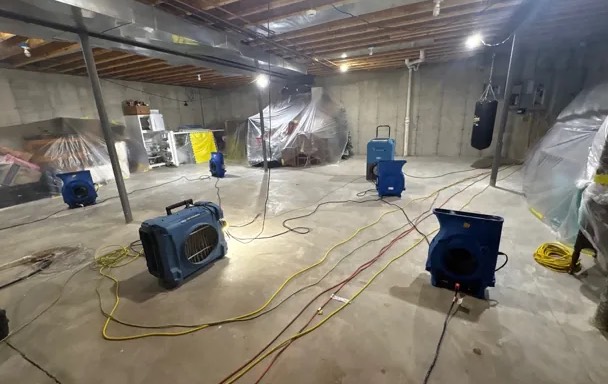
Basement Water Damage Restoration Solutions in Highland Park, Texas
Basement Water Damage Restoration in Highland Park covers finished and unfinished basements. A bare concrete basement can often be pumped and dried. A finished one usually needs carpet, pad and lower drywall removed so the walls and slab can dry.
Few homes in Highland Park have basements, so this work usually covers the lowest part of a home: a sunken room, a below-grade garage, a utility room or a crawl space.
Homes in Highland Park and nearby University Park, Richardson and Farmers Branch with basements deal with seepage, plumbing leaks and sewer backups. Help with basement water damage restoration covers pumping, removal of wet materials and drying of walls and concrete.
Professional Basement Water Damage Restoration Offered in Highland Park
Basement Dehumidification
Dehumidification continues until humidity and material readings are normal. Turning it off too early lets moisture return.
Basement Mold Prevention
Fast extraction and drying are the main ways to limit microbial growth in a basement. Surfaces that stayed wet can be treated once dry.
Basement Water Extraction
Extraction starts at the lowest point, often near the floor drain or sump, and works outward until no pooled water remains.
Basement Wall Drying
Finished basement walls hide wet insulation and framing. Removing the bottom of the drywall lets air reach the cavity.
Basement Drying Services
Air movers and dehumidifiers are placed to dry walls, framing and the slab. Below-grade rooms dry slowly, so readings are taken daily.
How to Know You Need Basement Water Damage Restoration in Highland Park
Standing Water in the Basement
Any standing water on the basement floor needs pumping right away, before it soaks walls and framing.
Efflorescence on Concrete Walls
White, chalky deposits on concrete walls mean water is moving through the concrete and leaving minerals behind.
Mold on Surfaces
Dark spots on drywall, framing or stored boxes mean the area has stayed wet for days.
High Humidity Levels Below-Grade
A basement that stays damp and clammy even on dry days has a moisture source that needs attention.
How Basement Water Damage Restoration Works in Highland Park
Step 1: Source Control and Extraction
The pipe is shut off, the sump restarted or the backup stopped, then the water is pumped out.
Step 2: Structural Drying Setup
Lower drywall is removed where soaked, and equipment is placed to dry wall cavities and the slab.
Step 3: Contaminant Removal
Materials touched by sewage or dirty water are removed and hard surfaces are cleaned and disinfected.
Step 4: Monitoring and Completion
Daily readings track drying until every material is normal, then equipment is removed.
Frequent Sources of Water Damage in Highland Park
HVAC Condensate Line Overflow
A clogged furnace or air conditioner condensate line can overflow onto the floor of a basement or lower-level utility room.
Clogged Floor Drains
A floor drain blocked by debris cannot carry off water from a leak or overflow, so it spreads across the basement floor.
Sewer Line Backups
A blocked or overloaded sewer line pushes wastewater up through basement drains and toilets.
Window Well Flooding
Window wells without drains or covers fill with rain and leak through basement windows.
Basement Water Damage Restoration for Homes and Businesses in Highland Park
Residential Basement Water Damage Restoration
Homeowners with older basements may have seepage that returns with each storm. Drying fixes the current damage, and the source is noted for a waterproofing contractor.
Commercial Basement Water Damage Restoration
Apartment and condo buildings with shared basements or lower levels may have laundry and storage below grade. Each area is extracted, dried and recorded for the building manager.
Professional Basement Water Damage Restoration or DIY in Highland Park?
Sewage in a basement should not be cleaned up without gloves, boots and eye protection. For any backup through a floor drain or toilet, call local water removal pros.
Cost Considerations for Basement Water Damage Restoration in Highland Park
In Highland Park, basement jobs often run longer than upper-floor jobs because concrete dries slowly. Equipment days make up much of the bill.
Dehumidification Needs
Large dehumidifiers may need to run longer in below-grade spaces than in upper floors.
Emergency Service
Night, weekend and storm calls can cost more than a scheduled visit.
Drying Time Required
Basements dry slowly, and longer drying means more equipment days and monitoring visits.
Does Insurance Cover Basement Water Damage Restoration?
Photos, moisture readings and drying logs from local water removal pros help support an insurance claim for basement water damage in Highland Park.
The Value of Local Pros for Basement Water Damage Restoration in Highland Park
Structural Integrity Assessment
Walls, stairs and framing are checked for damage before work begins in the basement.
Detailed Documentation
Photos, readings and drying logs are kept to support your insurance claim.
Containment Strategies
Plastic sheeting keeps contaminated areas separate from clean parts of the house.
24/7 Emergency Basement Water Damage Restoration in Highland Park
Water rising in your basement in Highland Park? Shut off power to the basement if it is safe, move what you can and call (469) 698-4610. Help is available 24/7.
Call Now (469) 698-4610Local Basement Water Damage Restoration Coverage: Highland Park and Beyond
Help with basement water damage restoration reaches University Park, Richardson and Farmers Branch, plus other communities around Highland Park, for finished and unfinished basements alike.
- Basement Water Damage Restoration in University Park
- Basement Water Damage Restoration in Richardson
- Basement Water Damage Restoration in Farmers Branch
- Basement Water Damage Restoration in Irving
- Basement Water Damage Restoration in Addison
- Basement Water Damage Restoration in Mesquite
- Basement Water Damage Restoration in Garland
- Basement Water Damage Restoration in Duncanville
- Emergency Damage Restoration in 75205
- Storm Damage Restoration in 75205
- Water Damage Restoration in 75205
- Water Extraction Service in 75205
- Water Leak Detection in 75205
- Water Removal Service in 75205
Frequently Asked Questions About Basement Water Damage Restoration
Can wet basement drywall be saved after water damage?
Sometimes, if the water was clean and removed quickly. Soaked or sewage-contaminated drywall is cut out above the water line.
What are signs of hidden moisture after below-grade water extraction?
Musty smells, tide lines on walls, damp carpet edges and moisture readings that stay high in walls or the slab.
Why is quick action important for below-grade flood restoration?
Basements dry slowly, so every hour of standing water adds days of drying and more material to replace.
What is the purpose of basement wall drying?
To remove water from drywall, insulation, framing and concrete so the walls can be repaired without trapping moisture.
What does below-grade moisture removal include beyond pumping?
Extracting carpet and pad, opening wet walls, running air movers and dehumidifiers, and checking readings until dry.