Greenville, TX · Hunt County
Basement Water Damage Restoration in Greenville, TXBasement Mold Prevention & Basement Water Extraction
Basement Water Damage Restoration in Greenville runs from basement water extraction and basement floor water removal to basement dehumidification.
Answered 24/7
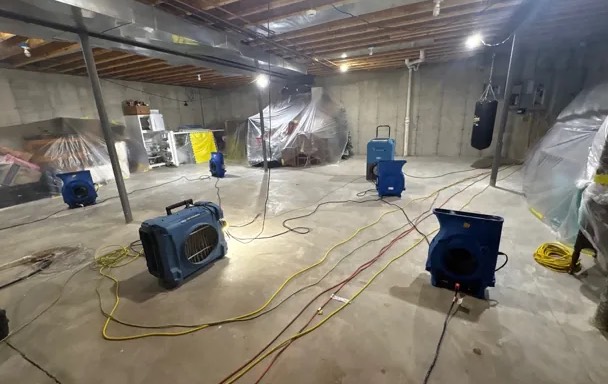
Basement Water Damage Restoration Solutions in Greenville, Texas
Water in a basement does not stay on the floor. It wicks up drywall, soaks insulation and seeps into wood framing. In Greenville, a few inches of water can damage walls up to two feet high.
Few homes in Greenville have basements, so this work usually covers the lowest part of a home: a sunken room, a below-grade garage, a utility room or a crawl space.
Homes in Greenville and nearby Caddo Mills, Josephine and Commerce with basements deal with seepage, plumbing leaks and sewer backups. Help with basement water damage restoration covers pumping, removal of wet materials and drying of walls and concrete.
The Basement Water Damage Restoration Process in Greenville
Basement Mold Prevention
After drying, an antimicrobial can be applied to framing and concrete that were wet, to slow mold on surfaces that stay in place.
Basement Water Extraction
Basement water is removed before drying starts, because every gallon left behind keeps the walls and air damp.
Basement Drying Services
Equipment is adjusted each day based on moisture readings until every material reaches its normal level.
Basement Wall Drying
Wet drywall is cut back above the water line when it is soaked, and the wall cavity and insulation behind it are dried or replaced.
Basement Floor Water Removal
Water on a concrete floor is squeegeed and extracted, and floor coverings such as carpet, vinyl or laminate are lifted to dry the slab.
Indicators for Basement Water Damage Restoration in Greenville
Wet or Stained Basement Walls
Dark, wet patches or tide lines on basement walls show where water seeped in or wicked up.
Standing Water in the Basement
Any standing water on the basement floor needs pumping right away, before it soaks walls and framing.
Damp or Musty Odors
A damp, earthy or musty smell in the basement often means hidden moisture in walls, carpet or the slab.
Peeling Paint or Wallpaper
Paint that peels or blisters on basement walls often has moisture behind it.
How Basement Water Damage Restoration Works in Greenville
Step 1: Source Control and Extraction
The pipe is shut off, the sump restarted or the backup stopped, then the water is pumped out.
Step 2: Structural Drying Setup
Lower drywall is removed where soaked, and equipment is placed to dry wall cavities and the slab.
Step 3: Contaminant Removal
Materials touched by sewage or dirty water are removed and hard surfaces are cleaned and disinfected.
Step 4: Monitoring and Completion
Daily readings track drying until every material is normal, then equipment is removed.
What Causes Basement Water Damage Restoration in Greenville
Water Heater or Appliance Leaks
Water heaters, washers and utility sinks in the basement can leak or fail without warning.
Failed or Clogged Drain Tile
Clogged or collapsed drain tile around the foundation lets water build up against the walls.
Clogged Floor Drains
A floor drain blocked by debris cannot carry off water from a leak or overflow, so it spreads across the basement floor.
Stormwater Runoff Into Lower Levels
Heavy rain running off hard ground or a sloped yard can pour down stairwells and under doors into below-grade rooms.
Both Residential & Commercial Basement Water Damage Restoration in Greenville
Residential Basement Water Damage Restoration
In homes, a flooded basement often means damaged carpet, drywall, a furnace or water heater and stored belongings. Water is pumped out, contents are moved and the space is dried.
Commercial Basement Water Damage Restoration
In commercial buildings, basements hold mechanical rooms, storage and sometimes offices. Water is removed and equipment areas are dried so systems can be checked and restarted.
Professional Basement Water Damage Restoration or DIY in Greenville?
If a small leak left a puddle on bare concrete, a wet vac and a dehumidifier may be enough. Call local water damage pros if water reached drywall, carpet or framing, or if it came from a sewer drain.
Cost Considerations for Basement Water Damage Restoration in Greenville
The cost of basement water damage restoration in Greenville depends on how much water there is, whether it is clean or sewage and how much finished material must be removed.
Drying Time Required
Basements dry slowly, and longer drying means more equipment days and monitoring visits.
Material Saturation
Finished basements with carpet, drywall and insulation take more removal work than bare concrete.
Access Complexity
Narrow stairs, low ceilings and stored contents can make the work slower.
Does Insurance Cover Basement Water Damage Restoration?
Many homeowner policies cover sudden basement water from a burst pipe, but not seepage or groundwater. Sewer backup coverage is often a separate add-on, so check your policy.
Advantages of Hiring Local Pros in Greenville for Basement Water Damage Restoration
Containment Strategies
Plastic sheeting keeps contaminated areas separate from clean parts of the house.
Industrial-Grade Equipment
Pumps, extractors and large dehumidifiers remove water much faster than household wet vacs and fans.
24/7 Emergency Response
Help is available day or night when water is rising in the basement.
Round-the-Clock Emergency Basement Water Damage Restoration in Greenville
Sewage coming up through a floor drain? Stop using water in the house and call (469) 698-4610 now for basement water damage restoration in Greenville.
Call Now (469) 698-4610Basement Water Damage Restoration Near Greenville: Areas Served
Need basement water damage restoration outside Greenville? Service also covers Caddo Mills, Josephine and Commerce, including emergency help during storms.
- Basement Water Damage Restoration in Caddo Mills
- Basement Water Damage Restoration in Josephine
- Basement Water Damage Restoration in Commerce
- Basement Water Damage Restoration in Farmersville
- Basement Water Damage Restoration in Quinlan
- Basement Water Damage Restoration in Nevada
- Basement Water Damage Restoration in Royse City
- Basement Water Damage Restoration in Blue Ridge
- Emergency Damage Restoration in 75401
- Storm Damage Restoration in 75401
- Water Damage Restoration in 75401
- Water Extraction Service in 75401
- Water Leak Detection in 75401
- Water Removal Service in 75401
- Emergency Damage Restoration in 75402
- Storm Damage Restoration in 75402
Basement Water Damage Restoration FAQs
How is basement sewer backup cleanup different from regular flooding?
Sewage carries bacteria, so it needs protective gear, removal of porous materials and disinfection before drying.
What equipment is used for below-grade water damage repair?
Submersible pumps, extractors, air movers, large dehumidifiers, moisture meters and air scrubbers for dust and odor.
What does below-grade moisture removal include beyond pumping?
Extracting carpet and pad, opening wet walls, running air movers and dehumidifiers, and checking readings until dry.
What is the purpose of basement wall drying?
To remove water from drywall, insulation, framing and concrete so the walls can be repaired without trapping moisture.
Why is quick action important for below-grade flood restoration?
Basements dry slowly, so every hour of standing water adds days of drying and more material to replace.