St. Paul, TX · Collin County
Attic Water Damage Restoration in St. Paul, TXAttic Mold Prevention & Attic Moisture Inspection
Attic Water Damage Restoration in St. Paul runs from roof leak water removal and attic leak water cleanup to attic drying services.
Answered 24/7
Get Help with Attic Water Damage Restoration in St. Paul
Attic Water Damage Restoration in St. Paul usually involves two spaces: the attic and the room below it. Water does not stop at the attic floor; it soaks into the ceiling drywall and sometimes the walls.
In St. Paul, Wylie, Lucas and Murphy, many attics hold air handlers and water heaters as well as insulation. The pros handle water from any of them, along with roof leaks.
Attic Water Damage Restoration Services in St. Paul
Attic Mold Prevention
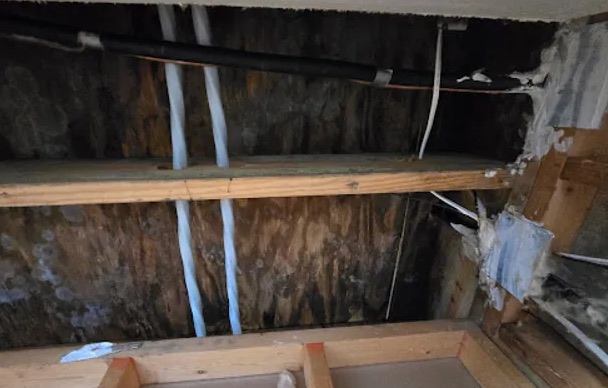
After drying, an antimicrobial can be applied to roof decking and framing that were wet, to slow mold on surfaces that stay in place.
Attic Moisture Inspection
An inspection shows how far the water spread from the leak point, which decides what is dried in place and what is removed.
Wet Attic Insulation Removal
Wet fiberglass batts lose their insulating value and hold water against the ceiling. Soaked sections are bagged and removed so the area underneath can dry.
Roof Leak Water Removal
A tarp can be placed over the damaged roof section to stop more rain from getting in while drying begins below.
Attic Drying Services
Equipment is placed on boards or platforms in the attic so it can run safely without stressing the ceiling drywall.
Indicators for Emergency Attic Water Removal
Peeling Paint or Wallpaper
Paint that bubbles or peels on upstairs ceilings and walls often has water behind it.
High Energy Bills
Wet insulation loses its insulating value, so heating and cooling bills can rise after a leak.
Sagging or Bowed Roof Decking
Roof decking that sags or bows between rafters may be soaked or starting to rot.
Water Stains on Ceiling
Brown rings or yellow spots on an upstairs ceiling usually mean water is sitting on the drywall from above.
How Attic Water Damage Restoration Works in St. Paul
Step 1: Initial Assessment and Water Removal
The pros find the source, check safety in the attic and remove standing water and wet debris.
Step 2: Wet Attic Insulation Removal
Soaked batts or blown-in insulation are bagged and removed so the wood and drywall can dry.
Step 3: Targeted Attic Drying Process
Drying equipment is aimed at the wet framing and ceiling, and moved as areas reach normal readings.
Step 4: Sanitization and Mold Prevention
Once dry, decking and rafters that stayed wet can be cleaned and treated with an antimicrobial.
Why Attics Get Water Damage in St. Paul
Improperly Sealed Roof Penetrations
Gaps around vents, pipes and antennas that pass through the roof let water in when seals fail.
Clogged or Damaged Gutters
Clogged gutters overflow at the roof edge, pushing water under shingles and into the soffits.
Failing Roof Valley or Flashing
Worn flashing around valleys, chimneys and skylights lets water run into the attic.
Roof Leaks and Damaged Shingles
Missing, cracked or lifted shingles let rain reach the roof deck and drip into the attic.
Both Residential & Commercial Attic Water Damage Restoration
Residential Attic Water Damage Restoration
Homeowners often store boxes and holiday items in the attic. Wet belongings are moved out and dried or discarded before work on the insulation and framing starts.
Commercial Attic Water Damage Restoration
Offices and stores with roof leaks need the area below protected during work. Drying is planned around business hours where possible to keep the space open.
Handling Attic Water Damage: DIY Risks vs. Pro Help
Fixing the roof stops new water but does not dry what is already wet. After any roof repair, have the attic checked for damp insulation and wood.
Cost Considerations for Attic Water Damage Restoration Work
Roof repair is a separate cost from water removal and drying. In St. Paul, both are usually needed after a roof leak.
Ceiling Repair Needs
Replacing, taping and painting ceiling drywall after drying adds to the total.
Required Drying Time
Dense wood framing can take several days to dry, adding equipment time.
Type of Water Involved
Clean rainwater is simpler to handle than water from a drain or a contaminated source.
Does Insurance Cover Attic Water Damage Restoration?
Insurers often ask what caused the leak and how long it ran. Notes on the leak point and the condition of the roof help answer those questions.
Why Choose Local Pros for Attic Water Damage Restoration in St. Paul
Roof Leak Location
The leak point is marked and photographed so the roofer can fix the right spot.
Industry Drying Standards
Drying follows industry water damage standards, with readings taken at each visit.
Ceiling Damage Mitigation
Sagging ceiling drywall is drained and removed safely before it can fall.
Round-the-Clock Attic Water Damage Restoration in St. Paul
Water dripping from your ceiling in St. Paul? Put a bucket under it, move belongings and call (469) 698-4610. Help for attic leaks is available 24/7.
Call Now (469) 698-4610Local Attic Water Damage Restoration Coverage Area
Each place listed below has its own page with local details.
- Attic Water Damage Restoration in Wylie
- Attic Water Damage Restoration in Lucas
- Attic Water Damage Restoration in Murphy
- Attic Water Damage Restoration in Parker
- Attic Water Damage Restoration in Sachse
- Attic Water Damage Restoration in Nevada
- Attic Water Damage Restoration in Garland
- Attic Water Damage Restoration in McLendon-Chisholm
Your Attic Water Damage Restoration Questions Resolved
What are common signs of poor attic ventilation?
Damp or dark roof decking, rusted nails, musty smells and condensation on the underside of the roof.
Can wet attic insulation be saved after a leak?
Lightly damp insulation sometimes dries, but soaked or matted insulation is usually removed and replaced after the attic is dry.
What is structural drying for an attic?
Drying the rafters, joists and roof decking with directed airflow and dehumidifiers until moisture readings return to normal.
What causes attic leaks besides storms?
Worn flashing, clogged gutters, attic AC overflows, plumbing leaks and bathroom fans venting into the attic.
How quickly should I respond to an attic leak?
Right away. Water on the attic floor soaks into the ceiling drywall within hours and can make it sag or fall.