Midlothian, TX · Ellis County
Antimicrobial Treatment Services in Midlothian, TXCrawl Space Antimicrobial Treatment & HVAC Duct Sanitization
After a leak, Antimicrobial Treatment Services in Midlothian cover bathroom mold treatment, kitchen surface disinfection and post flood disinfection services.
Answered 24/7
Expert Antimicrobial Treatment Services Available in Midlothian
After water damage in Midlothian, odor is often the sign that something was missed. A musty smell usually means wet materials are still hidden, and treatment alone will not fix that.
In Midlothian, Cedar Hill, Waxahachie and DeSoto, many treatment calls come after a leak that was dried by the homeowner but still smells. The pros look for remaining moisture before deciding what needs treatment.
Complete Antimicrobial Treatment Services in Midlothian
Crawl Space Antimicrobial Treatment
Wet insulation and debris are removed from the crawl space first, then wood framing is cleaned and coated where moisture sat.
HVAC Duct Sanitization
Ducts that pulled in damp, musty air are cleaned before treatment. The source of the moisture, such as a full drain pan, is fixed first.
Mold Remediation Antimicrobial Treatment
Antimicrobial treatment is the last step after removal and drying, not a replacement for them. It treats wood and concrete that were wet but can be kept.
Emergency Sewage Sanitization
Sewage and other contaminated water are cleaned up with protective gear, contaminated porous materials are removed, and hard surfaces are disinfected.
Post Flood Disinfection Services
Hard surfaces that sat in floodwater are washed first, because disinfectants work poorly on dirty surfaces, then treated and left to dry.
Symptoms That Warrant Antimicrobial Treatment Services in Midlothian
Persistent Musty or Mildew Odors
A musty or sour smell that lingers after a leak was cleaned up suggests wet or contaminated materials are still in the room.
Stains Found During Repairs
Dark or damp framing found when opening a wall or floor is a common reason to dry and treat before closing it up.
Recurring Mold After Cleaning
Spots that come back after cleaning usually mean the material is still wet inside or the leak was never fixed.
Wet Materials Left for Days
Drywall, carpet or framing that stayed wet for more than a couple of days is a likely place for microbial growth.
How Antimicrobial Treatment Services Work in Midlothian
Step 1: Inspection and Moisture Check
The pros find the source of the water, check moisture levels and decide which materials can stay.
Step 2: Containment and Material Removal
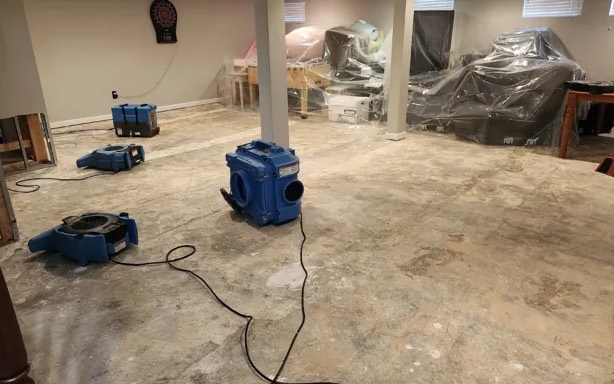
Work areas are sealed with plastic, and soaked drywall, carpet and pad that cannot be saved are removed.
Step 3: Cleaning and Antimicrobial Application
Remaining surfaces are cleaned, then an EPA-registered antimicrobial is sprayed or wiped onto wood and concrete.
Step 4: Drying Check and Final Cleaning
Moisture readings confirm the area is dry, and dust and debris are cleaned up before rebuilding.
What Leads to Post Water Damage Cleaning in Midlothian
Inadequate Drying After Water Damage
Water damage that was mopped up but never fully dried leaves moisture inside walls and under floors.
High Indoor Humidity Levels
Constant high humidity keeps materials damp enough for mold, even without a single large leak.
Plumbing Leaks and Pipe Bursts
Leaking supply lines and burst pipes soak walls and floors, and materials that stay wet can start to grow microbes.
Appliance Malfunctions and Overflows
Dishwashers, washers and water heaters leak into cabinets and subfloors where water hides and stays.
Complete Antimicrobial Treatment Services for Midlothian Residences and Offices
Residential Antimicrobial Treatment Services
For homeowners, the main question is what can stay and what must go. Hard surfaces and framing can usually be cleaned and treated, while soaked carpet and drywall are often replaced.
Commercial Antimicrobial Treatment Services
For property managers, a backup in one unit can affect shared walls and floors. Each affected area is contained, cleaned, treated and documented separately for the owner and insurer.
Antimicrobial Treatment Services vs. DIY: When to Call the Pros
You can dry a small leak and clean the surface yourself. Treating framing inside walls, crawl spaces or ductwork needs the source fixed, the material dried and the right product, which is harder to do at home.
What Influences Antimicrobial Treatment Services Cost in Midlothian
Crawl spaces, attics and ductwork take more time to reach and treat than open rooms, which raises the total for antimicrobial treatment services in Midlothian.
Post-Cleaning Requirements
Materials that must be removed and replaced before treatment add to the total.
Access and Containment
Crawl spaces, attics and ductwork take longer to reach and may need containment.
Contamination Severity
Sewage and floodwater need more removal and disinfection than a clean water leak, which raises the cost.
Does Insurance Cover Antimicrobial Treatment Services?
Take photos before cleanup starts and keep receipts for any emergency work, such as sewage extraction done at night. Both help when you file a water damage claim.
Advantages of Local Pros for Antimicrobial Treatment Services in Midlothian
Industry Cleaning Standards
Cleaning and treatment follow industry water damage standards, applied only after the area is dry.
24/7 Emergency Response
Help is available day or night for sewage backups and other contaminated water.
Targeted Treatment Plans
Treatment is limited to the areas that were wet or contaminated, based on moisture readings.
Urgent Antimicrobial Treatment Services for Midlothian Properties
If floodwater or sewage reached living areas, keep children and pets away and call (469) 698-4610. Help is available day or night in Midlothian.
Call Now (469) 698-4610Antimicrobial Treatment Services in Midlothian
Post-water-damage cleaning and treatment also cover homes and businesses in Cedar Hill, Waxahachie and DeSoto, close to Midlothian.
- Antimicrobial Treatment Services in Cedar Hill
- Antimicrobial Treatment Services in Waxahachie
- Antimicrobial Treatment Services in DeSoto
- Antimicrobial Treatment Services in Red Oak
- Antimicrobial Treatment Services in Duncanville
- Antimicrobial Treatment Services in Grand Prairie
- Antimicrobial Treatment Services in Lancaster
- Antimicrobial Treatment Services in Kennedale
- Emergency Damage Restoration in 76065
- Storm Damage Restoration in 76065
- Water Damage Restoration in 76065
- Water Extraction Service in 76065
- Water Leak Detection in 76065
- Water Removal Service in 76065
Antimicrobial Treatment Services Information: Your Questions Addressed
What is the difference between disinfecting and sanitizing surfaces?
Sanitizing lowers germs on a surface. Disinfecting kills a wider range of germs as listed on the product label. Sewage cleanup calls for disinfection.
What is included in a standard antimicrobial treatment service?
Removing materials that cannot be saved, drying the area, cleaning remaining surfaces and applying an EPA-registered antimicrobial to wood, concrete and other hard materials.
How long does odor removal take after water damage cleanup?
Often a few days. Odor fades once wet materials are removed and dried, and extra deodorizing is used if a smell remains.
Is kitchen surface disinfection different from regular cleaning?
Yes. Surfaces that touched dirty water are cleaned and then disinfected with a product suited to food-prep areas.
What is the purpose of antimicrobial treatment in a crawl space?
To slow microbial growth on wood that got wet, once the space is dried and the moisture source is fixed.